




FCD (Floating Car Data) provides a data-driven, measurable, and sustainable foundation for transportation planning, operational management, and strategic decision-making by integrating real-time intersection and route analyses, historical traffic statistics, and O/D (Origin–Destination) analyses.
The large-scale traffic datasets collected and processed through FCD extend beyond conventional current-state assessments, enabling predictive analytics and scenario-based traffic management and control strategies.
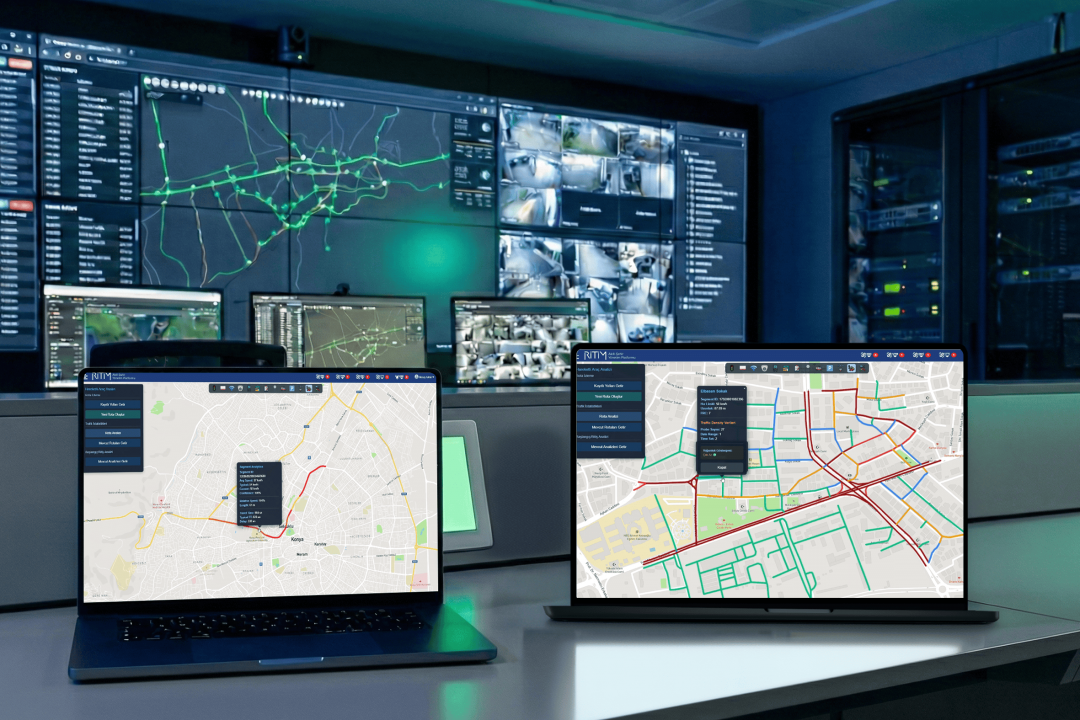
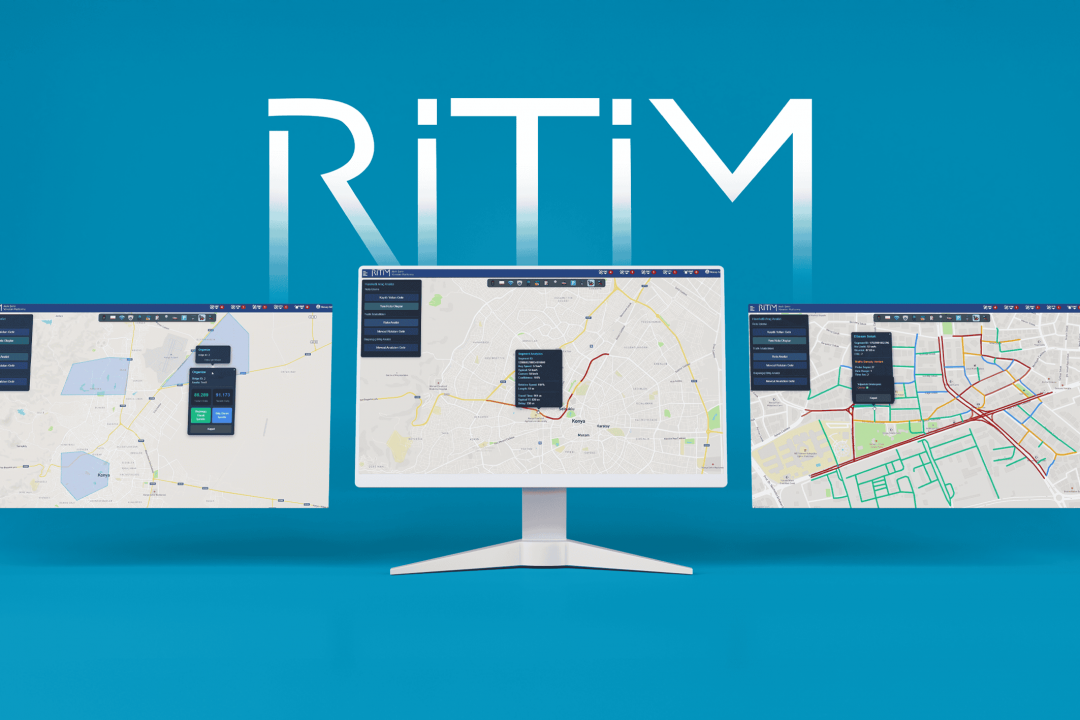
- Real-Time Travel Time and Average Speed Measurements
City-wide and corridor-based real-time travel times and speed profiles are generated to continuously monitor delays, bottleneck locations, and performance deviations. These datasets provide core inputs for both traveler information systems and operational traffic management.
- Traffic Congestion Monitoring and Management
Using real-time and historical congestion data, congestion maps are produced at both road segment and intersection levels. This enables early detection of congestion induced delays and supports the deployment of proactive traffic management and intervention strategies.
- Queue Length and Queuing Analysis
Queue lengths and queuing durations on intersection approaches are analyzed to identify capacity constraints and signal control inefficiencies. The resulting outputs are directly utilized for intersection geometry improvements and signal timing optimization.
- Corridor-Based Analysis and Planning
On major arterials and multi-intersection corridors, travel time continuity, stop-and-go behavior, and capacity utilization are analyzed. These analyses support corridor-level coordinated signal control, lane management strategies, and infrastructure investment prioritization.
- Incident and Anomaly Detection System
Traffic incidents such as crashes, roadworks, vehicle breakdowns, and abnormal traffic patterns are automatically detected through data-driven pattern recognition. This system enables faster incident response and mitigates secondary traffic impacts.
- Adaptive Intersection Control
By leveraging real-time traffic data and historical performance metrics, intersection signal timings and phase structures are dynamically adjusted. This ensures flexible, self-optimizing intersection operations capable of responding to fluctuating traffic demand.
- Intelligent Route Guidance
Based on real-time traffic conditions, travel time predictions, and incident information, users are provided with optimal and efficient route alternatives. This approach improves individual travel times while balancing network wide traffic loads.
- Traffic Volume Data Generation and Support for Transportation Modeling
Traffic volume data derived from FCD and complementary sensor sources provide reliable inputs for both micro and macro scale transportation models. These datasets support short, medium, and long-term transport investment planning, demand forecasting, and policy analysis.